
Sahel Bloc AES Cements Break From ECOWAS With First Niamey Parliament Session
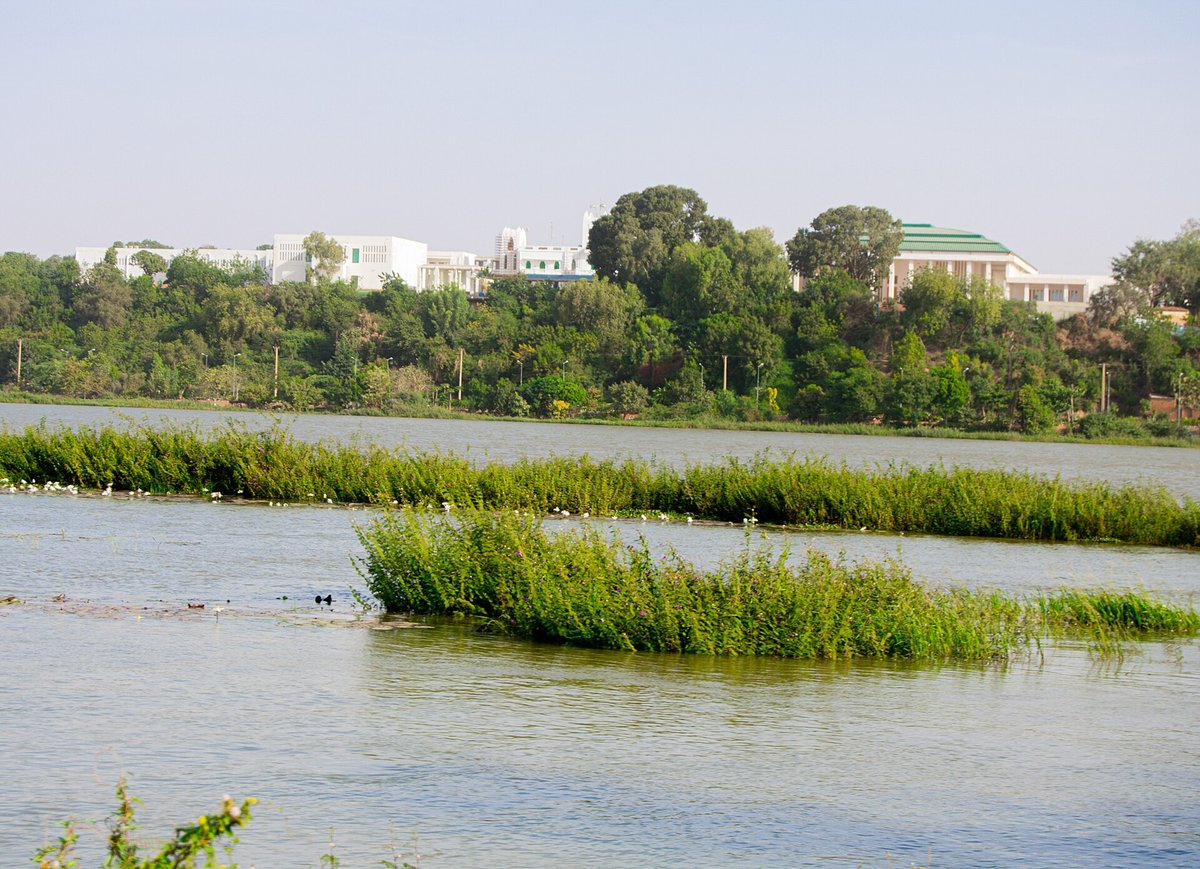
The Presidential Palace of Niger in Niamey (file photo; illustrative, not the AES parliamentary session venue). Photo: Adèlekiema, public domain (CC0), via Wikimedia Commons
Mali, Burkina Faso and Niger's Alliance of Sahel States held its first joint parliamentary session in Niamey in August, deepening a split from ECOWAS that has already produced a shared passport, trade levies and a joint military force.
The Alliance of Sahel States (AES) - the confederation formed by the military-led governments of Mali, Burkina Faso and Niger - held its first joint parliamentary session in Niamey in August 2026, a symbolic milestone in the bloc's effort to build state institutions independent of the Economic Community of West African States (ECOWAS).
The three juntas announced their intention to leave ECOWAS together on January 28, 2024, with the withdrawal taking legal effect a year later, on January 29, 2025. In the interim, they upgraded an existing mutual-defense pact into the AES in July 2024 and have since moved quickly to build shared institutions: a joint biometric passport introduced in January 2025, common import levies on goods from outside the bloc adopted in April 2025, and a joint military force of roughly 5,000 troops, commanded out of Niamey, stood up in December 2025.
The split has shrunk ECOWAS from fifteen member states to twelve, a shift regional analysts describe as one of the most consequential realignments in West African regional politics since the end of the Cold War. It has also opened space for Russia to expand its footprint in the Sahel, supplying military personnel and Shahed-type drones to the juntas even as jihadist insurgencies continue across the region, with analysts warning of possible further displacement of violence toward coastal West African states.
Despite the political rupture, practical cooperation between ECOWAS and the AES states has not fully collapsed: trade continues to move through shared port corridors, even as investors in the region's uranium, gold and lithium sectors must now navigate three separate national jurisdictions instead of one integrated regional bloc. The AES's first parliamentary sitting suggests the three governments intend the split to be permanent rather than a negotiating tactic, deepening the divide just as ECOWAS works to keep its remaining members aligned.