
Liberia National Police Launches Drive to Recruit 1,500 Officers, Aims for a Third Women
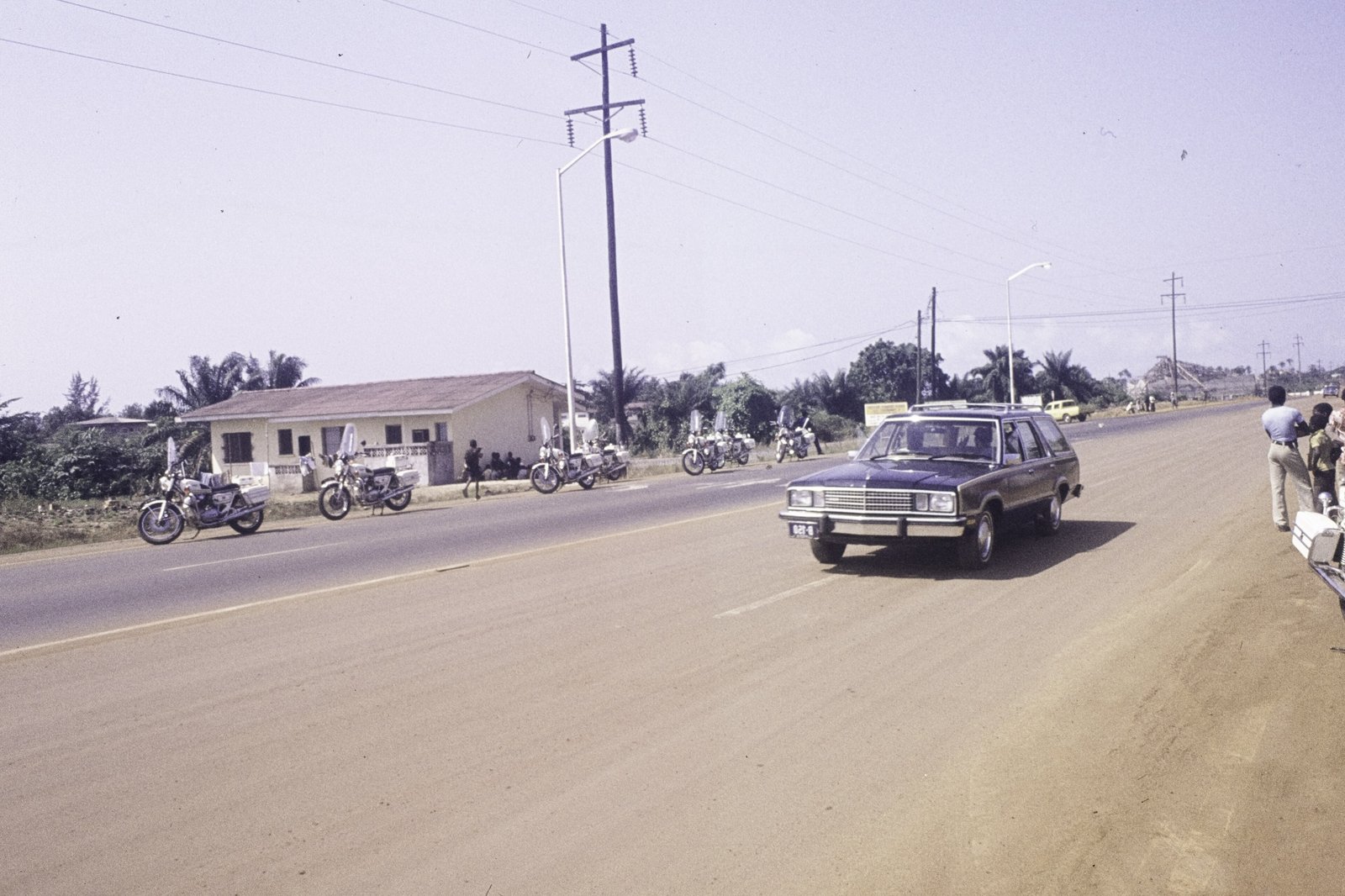
A Liberian police car and motorcycles in Monrovia during a 1978 state visit (file photo; illustrative of the Liberia National Police, not the current recruitment drive). Photo: Fred P. M. van der Kraaij, African Studies Centre Leiden, CC BY-SA 4.0, via Wikimedia Commons.
The Liberia National Police is seeking roughly $12 million to recruit 1,500 new officers and push female representation from 21% to 33%, with Inspector General Coleman promising a merit-based process free of bribes.
The Liberia National Police (LNP) has launched a recruitment drive to add 1,500 officers to its current force of roughly 4,100 personnel spread across 151 stations nationwide, a push officials frame as essential groundwork before the 2029 elections. The initiative carries an estimated price tag of about $12 million.
Inspector General Coleman laid out a set of reform commitments meant to accompany the numbers push: a merit-based selection process free from corruption, county-based recruitment that assigns officers to serve in their home regions rather than routing everyone through Monrovia-based training and transfers, and a direct warning to applicants that "no applicant should pay money to secure a place" in the force. Coleman framed the goal as working to "strengthen an institution already serving Liberia and make it more representative."
A central plank of the drive is gender balance. Women currently make up about 21% of the force against a 79% male majority, and the LNP is targeting 33% female representation, a level not pursued at this scale since the first major female recruitment push in 2007 under the UN Mission in Liberia. Coleman described the effort as including gender-responsive policing that recognizes differing crime experiences across demographics, alongside broader commitments to training, logistics, welfare systems, and accountability structures, and to removing barriers such as harassment and discrimination within the ranks.
The recruitment drive lands against a backdrop of chronic obstacles that have made Liberian policing an unattractive career since at least 2007: low salaries, poor working conditions, and a public perception problem that has been hard to shake. Adding 1,500 officers will do little on its own if the pay and conditions that have historically driven attrition and eroded morale are not addressed alongside it, and Coleman's anti-bribery pledge in particular will be tested the moment the first recruitment lists are published.