
Lone Star's Home Qualifier Against Mali in Doubt Over Stadium Inspection
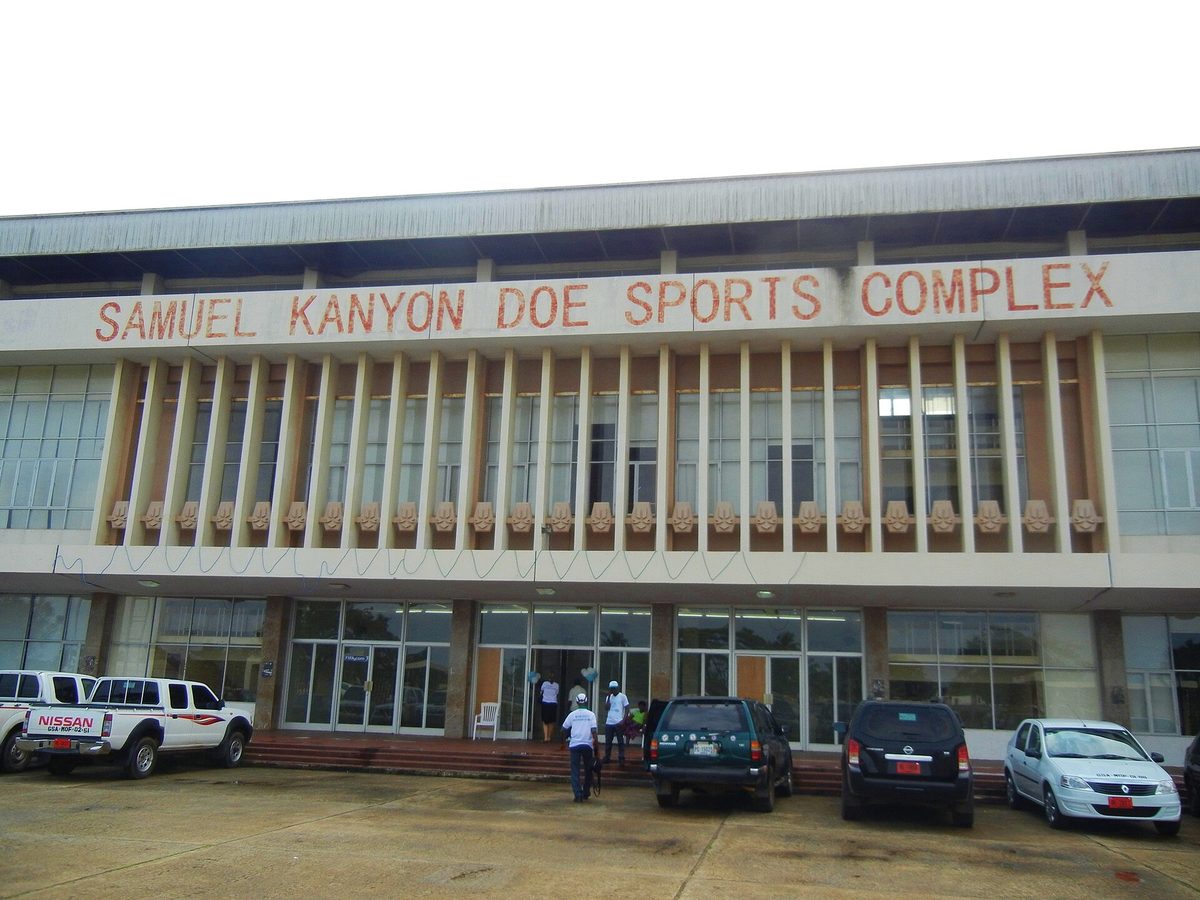
Samuel Kanyon Doe Sports Complex, Monrovia (file photo, 2012) - the venue now facing a CAF certification inspection. Photo: blk24ga, CC BY 3.0, via Wikimedia Commons
A CAF inspection of the Samuel Kanyon Doe Sports Complex could determine whether Liberia is allowed to host its AFCON 2027 qualifier against Mali at home or must play in a neutral country instead.
Liberia's hopes of hosting its AFCON 2027 qualifier against Mali on home soil are hanging in the balance ahead of a Confederation of African Football inspection of the Samuel Kanyon Doe (SKD) Sports Complex in Paynesville, coming just weeks before the campaign opener.
CAF inspectors are expected to assess pitch quality, dressing rooms, lighting, media facilities, spectator safety and matchday logistics to determine whether the stadium meets certification standards for competitive international football. The outcome will decide whether the Lone Star can play Mali at home or must relocate the fixture to a neutral venue.
The uncertainty comes despite more than $28 million in renovations at SKD in recent years, including a $500,000 LED floodlight system and new luxury seating. If the stadium is rejected, Liberia would likely be forced to host Mali in Morocco, eliminating home-field advantage and adding significant travel and venue-rental costs on top of the funding gap the Lone Star's mobilization committee has already flagged to lawmakers. A domestic alternative, the Ganta Sports Pitch in Nimba County, is considered impractical given the distance from Monrovia and Liberia's lack of domestic air transport infrastructure.
The stakes are high: Liberia has not reached the Africa Cup of Nations finals in 24 years, and the Lone Star was drawn into a competitive Group K alongside Mali, Cape Verde and Rwanda for a qualifying campaign that runs through March 2027. A forced venue change so early in the campaign would be a costly setback for a federation already working to close a multimillion-dollar funding shortfall.