
Nigeria Struck Secret Three-Month Ceasefire With Boko Haram, Report Reveals
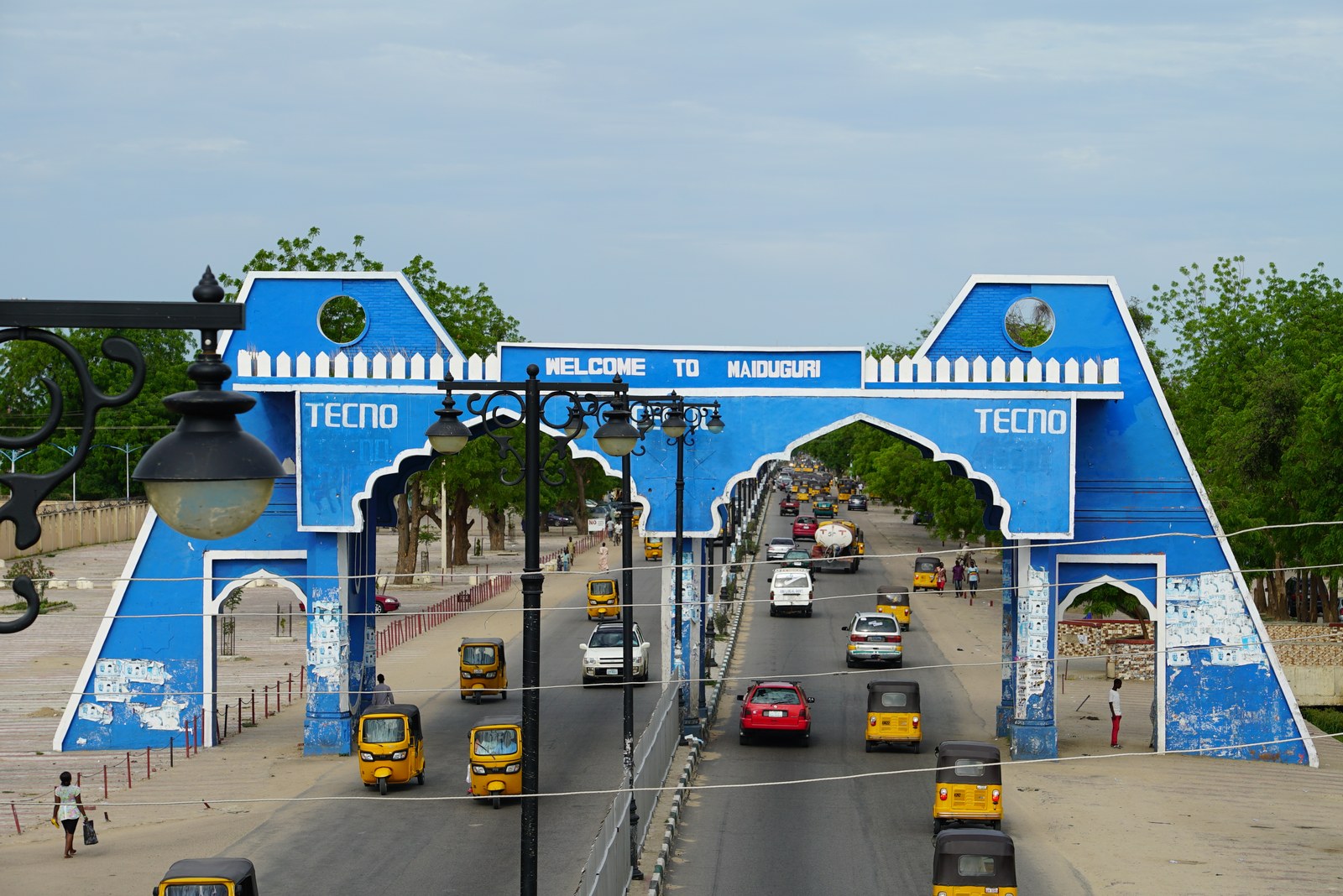
City gate of Maiduguri, Borno State, Nigeria (file photo; illustrative of the region, not the ceasefire talks). Photo: Ifeatu Nnaobi, CC BY-SA 4.0, via Wikimedia Commons
An investigation has revealed that Nigeria's government has quietly maintained a ceasefire with Boko Haram since June, tied to the release of 360 civilians abducted in Ngoshe and a reported multi-million-dollar ransom the government denies paying.
Nigeria's government has quietly maintained a ceasefire with Boko Haram since June, according to an investigation, with the truce expected to be extended for a further 40 days. The agreement is tied to negotiations that secured the release of 360 civilians abducted from Ngoshe village in Borno State in March, a deal reportedly worth five billion naira, about $3.7 million, in ransom, which the government has denied paying.
Attacks have stopped in the Ngoshe area since the ceasefire took hold, but the agreement does not extend to ISWAP, the Islamic State-aligned rival faction that continues to clash with Boko Haram fighters in the northeast. Conflict researcher Malik Samuel cautioned that the truce may amount to nothing more than a tactical pause: "It could be just a temporary, tactical ceasefire that benefits both sides, but doesn't really affect the trajectory."
A diplomat familiar with the talks said both sides believe a broader settlement is possible, while a Nigerian government security official acknowledged a troubled history with such arrangements: "We've negotiated a couple of ceasefires but they couldn't be maintained." Sources cited in the investigation warned Boko Haram could be using the lull to regroup and reinforce positions in the Mandara mountains along the border with Cameroon.
Publicly, Nigeria's government continues to reject the idea of formal talks with Boko Haram, which remains a proscribed terrorist organization under Nigerian law, leaving the ceasefire in an unacknowledged and legally awkward limbo even as it holds for now. Previous ceasefire attempts in 2022 and 2023 collapsed amid alleged sabotage from within Nigeria's own military and political establishment.