
Liberia Reaffirms Commitment to Nuclear Non-Proliferation Treaty
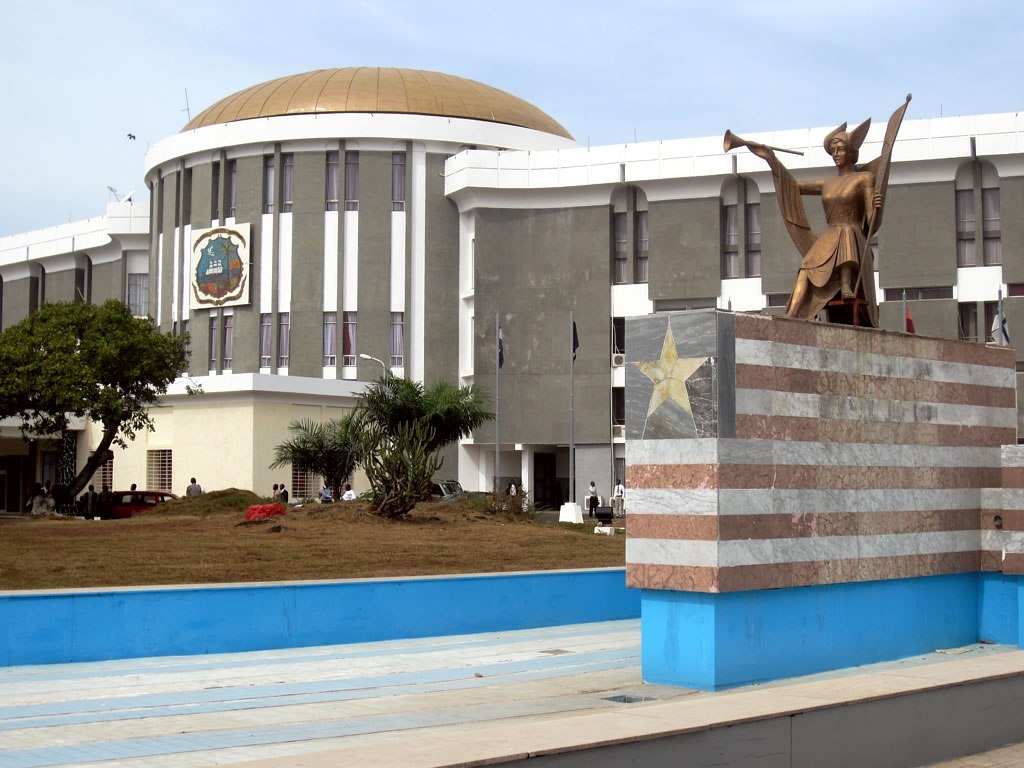
The Capitol Building in Monrovia, seat of Liberia's legislature (file photo; illustrative of the Liberian government, not of a specific NPT-related meeting). Photo: David Stanley, CC BY 2.0, via Wikimedia Commons
Liberia's government says it remains firmly committed to the nuclear Non-Proliferation Treaty it signed in 1968, with Deputy Information Minister Daniel Sanoe calling international cooperation on the issue "essential to global peace."
Liberia's government has reaffirmed its commitment to the Treaty on the Non-Proliferation of Nuclear Weapons (NPT), the international pact signed by Liberia on June 18, 1968, aimed at preventing the spread of nuclear arms. Deputy Information Minister Daniel Sanoe said "international cooperation on non-proliferation remains essential to global peace."
Under the treaty, Liberia committed not to develop or acquire nuclear weapons while retaining its right to pursue peaceful nuclear technology. The NPT rests on three pillars: non-proliferation, the peaceful use of nuclear energy, and disarmament. Its five recognized nuclear-weapon states — the United States, Russia, China, France and the United Kingdom — committed under the treaty to pursue disarmament while permitting nuclear technology for electricity, medicine and scientific research under international safeguards, verified by the International Atomic Energy Agency (IAEA) to ensure civilian programs are not diverted toward weapons development.
Minister Sanoe warned of the stakes involved, saying "a single nuclear explosion could cause widespread humanitarian damage." Global stockpiles are estimated to still hold roughly 12,100 nuclear warheads, underscoring the scale of the disarmament challenge nearly six decades after the treaty opened for signature.
Liberia Today will continue to follow developments on the country's engagement with international non-proliferation efforts.