Boakai Hosts Second Presidential Media Dinner Amid Press Sustainability Concerns
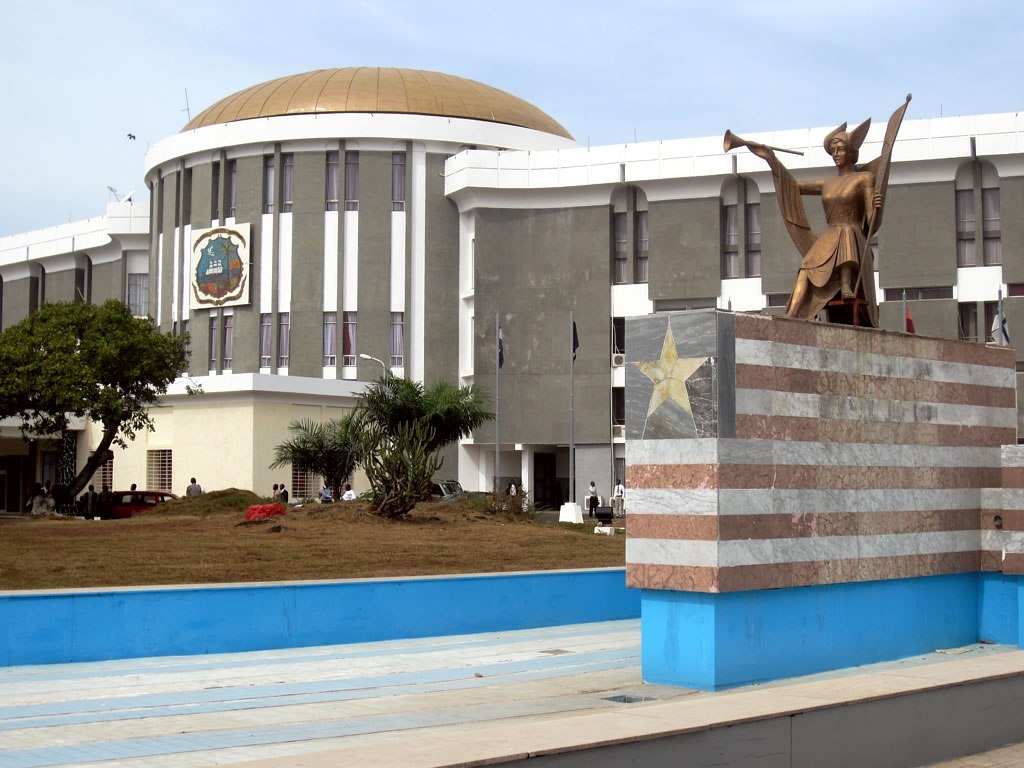
Liberian government building (file photo; illustrative, not the dinner venue). Photo via Wikimedia Commons
President Boakai holds the second Annual Presidential Media Dinner on September 12, continuing an initiative started by the late Ambassador Sylvester Grigsby, as press union leaders press for progress on government debts to media outlets and journalist pay.
President Joseph Nyuma Boakai will host the second Annual Presidential Media Dinner on September 12, 2026, continuing an initiative first launched by the late Ambassador Sylvester M. Grigsby to open a more direct channel between the presidency and Liberia's press corps. The gathering follows the inaugural dinner held on April 10, 2025, where Boakai told journalists that "criticism is not a threat to democracy; it is its essence" and pledged that his administration would not engage in press suppression.
Press Union of Liberia President Julius Kanubah has used the run-up to this year's dinner to press the government on unresolved sustainability issues facing the industry, including outstanding government debts owed to media outlets, inadequate journalist compensation, and reports of political interference affecting community radio stations in some counties. Kanubah's comments frame the dinner as more than a ceremonial event, positioning it as a venue where the union expects concrete follow-through rather than renewed goodwill statements alone.
Grigsby, who championed the original dinner concept as a bridge-building exercise between government and the fourth estate, died before this year's edition, but the ministries involved in organizing the event have continued the initiative in his absence. Officials describe the continuation as evidence that the effort to institutionalize a more respectful, if still adversarial, government-press relationship is meant to outlast any one official.
Liberia's media landscape has faced persistent financial strain in recent years, with several outlets citing unpaid government advertising and public-notice bills as a threat to independent reporting. Whether this week's dinner produces specific commitments on those debts, rather than another round of mutual assurances, will likely determine how the Press Union and independent outlets judge the event once the speeches are over.