
Co-Defendant Calls Howard-Taylor House Arrest "Unlawful" as Hearing Stalls Over Illness
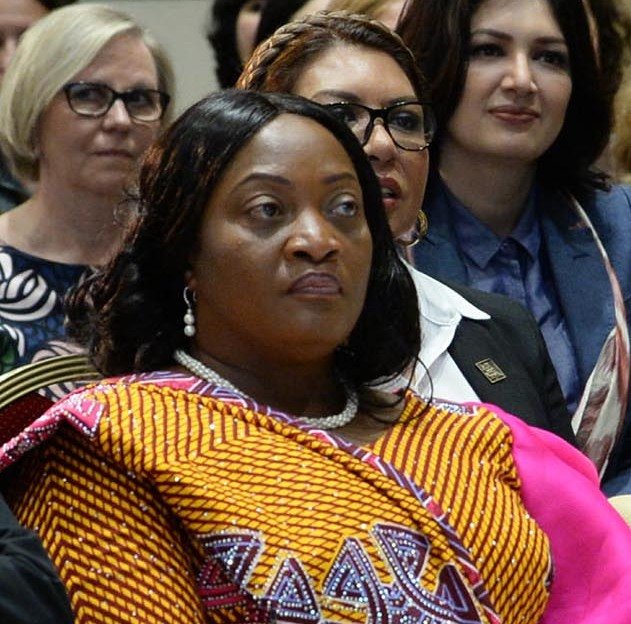
Jewel Howard-Taylor at a 2018 women-leaders conference in Jerusalem (file photo, unrelated to this case). Photo: Mark Neyman/GPO, CC BY-SA 3.0, via Wikimedia Commons
Former Vice President Jewel Howard-Taylor's drug-trafficking case took two turns this week: her September 4 court appearance was postponed after her team said she was unwell, and a co-defendant is now challenging the judge's earlier decision to move her from prison to guarded house detention.
Former Vice President Jewel Howard-Taylor's preliminary examination on drug-trafficking charges was postponed on September 4, 2026, after her legal team told Monrovia City Court that she was "presently unwell" and asked to let her see a physician familiar with her medical history before proceeding. Magistrate L. Ben Barco agreed to reschedule the hearing.
Howard-Taylor faces charges including importation and unlicensed possession of controlled drugs, criminal conspiracy and money laundering, alongside three foreign nationals. Earlier this month, Judge Ousman F. Feika had ordered her moved from prison to 24-hour guarded house detention at her residence on medical grounds, stressing the move "shall not constitute dismissal, acquittal, pardon" and carries "no bearing on guilt."
That ruling is now being contested from an unexpected direction: co-defendant Garpue K. Wonlue has filed six legal exceptions arguing the house-arrest order was unlawful. His filing contends that the cited statute, Criminal Procedure Law Section 34.20, applies only to convicted and sentenced prisoners, not to pre-trial detainees like Taylor; that no statutory mechanism exists for granting "compassionate leave" to an accused person awaiting trial; and that the ruling creates an unfair two-tier detention system while shifting security costs onto the State without legal basis.
Judge Feika has not yet ruled on Wonlue's exceptions, and Howard-Taylor remains under house arrest in the meantime. All defendants are presumed innocent unless proven guilty in a court of competent jurisdiction, and the case continues to draw close attention in Monrovia given her prominence as a former vice president and ex-First Lady.