
Senator Dopoh: "Cybercrime Law Has No Intent to Silence Free Speech"
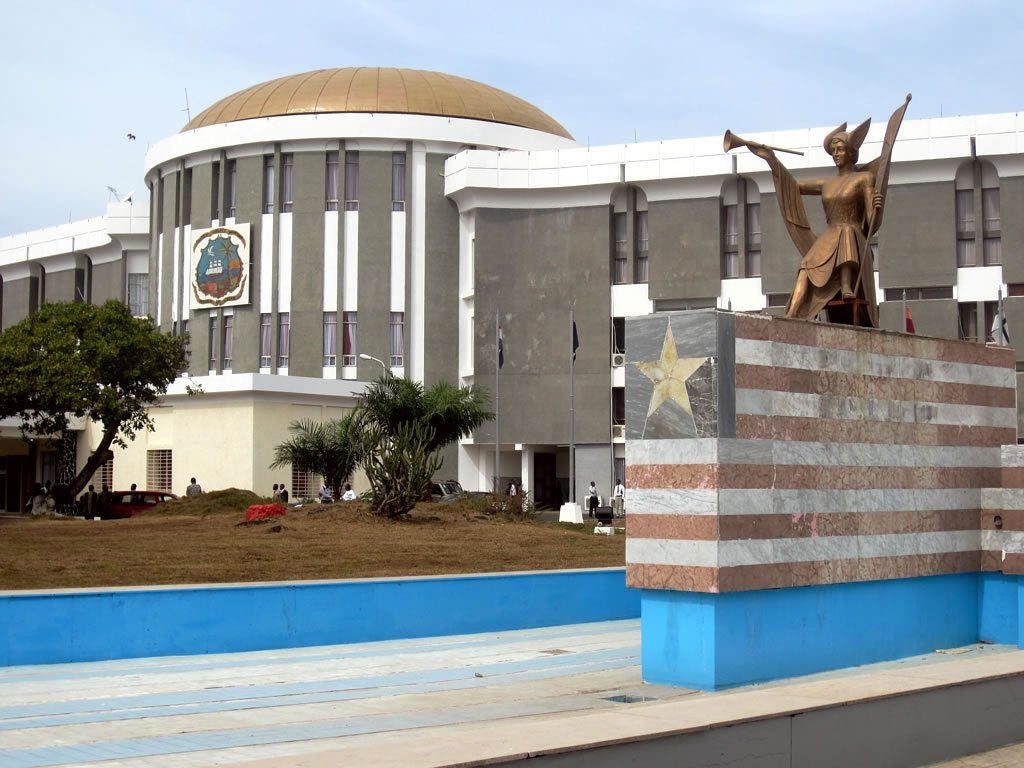
Liberia's Capitol Building in Monrovia, seat of the national legislature (file photo). Photo: David Stanley, CC BY 2.0, via Wikimedia Commons.
River Gee County Senator Francis Saidy Dopoh II has defended Liberia's new cybercrime law, insisting it targets threats, fraud and exploitation rather than legitimate criticism, journalism or peaceful dissent, as debate continues over how the law will be enforced.
River Gee County Senator Francis Saidy Dopoh II, who chairs the Senate Committee on Posts and Telecommunications and sponsored Liberia's Data Protection Act, has moved to defend the country's newly approved cybercrime law against concerns that it could be used to curb free expression.
"On free speech, let me be clear: this law has no intent to silence free speech," Dopoh said, arguing that the legislation is aimed squarely at criminal conduct such as threats of violence, harassment, incitement to violence, cyberstalking and bullying, fraud and scams, child exploitation, the non-consensual sharing of intimate images, unauthorized access to computer systems, identity theft, and interference with critical infrastructure.
According to Dopoh, honest opinion, criticism of government, journalism and peaceful dissent are meant to remain protected activities under the law. He called for the law to be backed by practical implementation steps, including establishing a Liberia National Cybersecurity Center and emergency response team, clear enforcement guidelines, training for law enforcement, public awareness campaigns, and dedicated funding.
Not everyone is convinced enforcement will match intent. Civil society voices, including press freedom advocates, have warned that vaguely worded provisions on "harmful messages" and "incitement" could leave journalists and government critics uncertain about where the legal line falls, particularly in politically charged reporting. Other senators have also weighed in on both sides of the debate over how strictly, and how carefully, the law should be enforced.
The cybercrime law was approved earlier this year, and the coming months are expected to test how Liberian authorities balance its stated goal of fighting online crime against concerns about press freedom and civil liberties.